
New
Vol.17
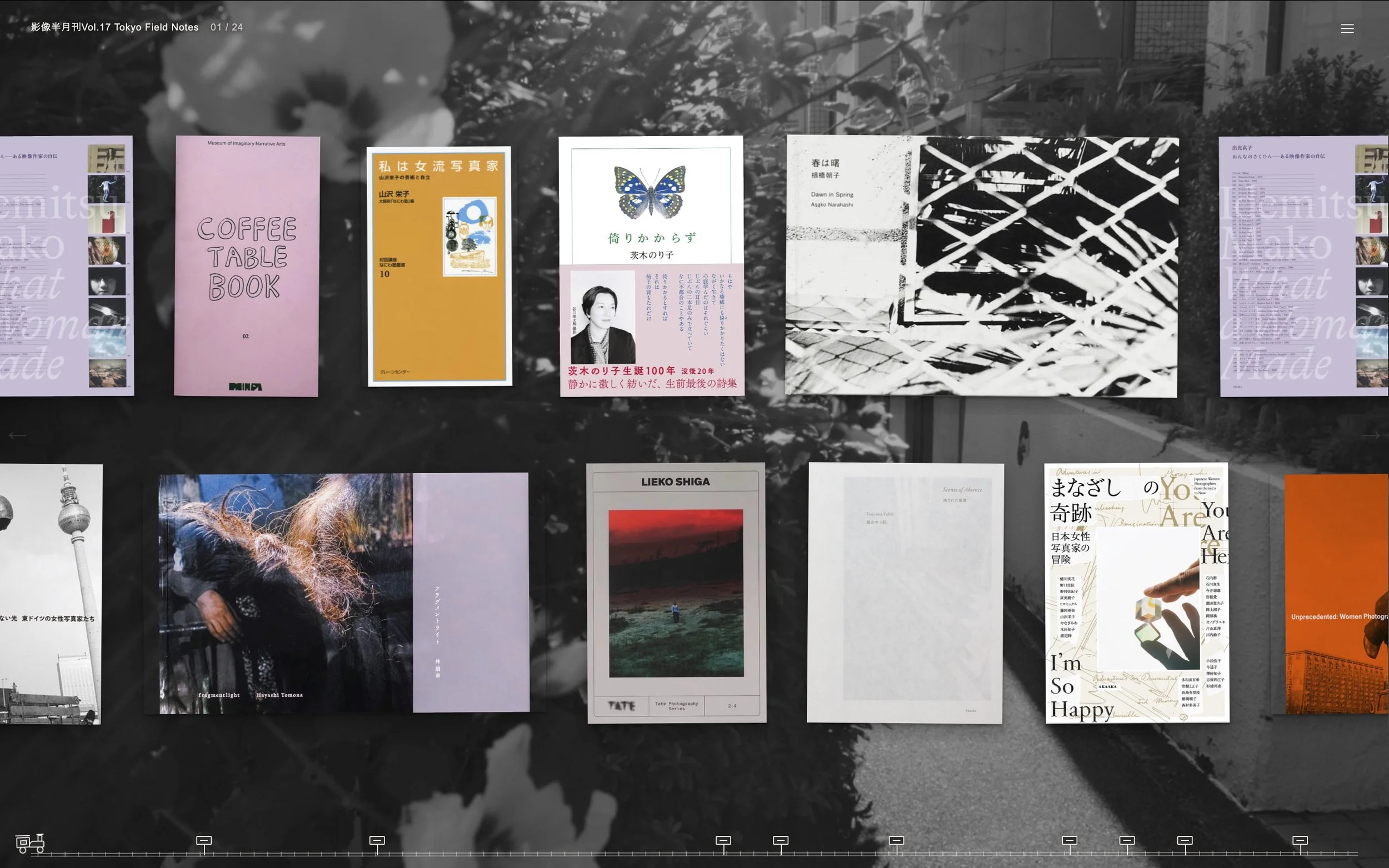
不再想倚靠现成的思想。不再想倚靠现成的宗教。不再想倚靠现成的学问。不再想倚靠任何权威。活了这么久,我真正学会的,大概也只有这些。凭自己的双眼,凭自己的双耳,凭自己的双脚站立,又有什么不方便?若一定要倚靠——那就只靠椅子的靠背。
最新刊物 Lastest Issue
特辑 Special Issue
已公开 Open Access
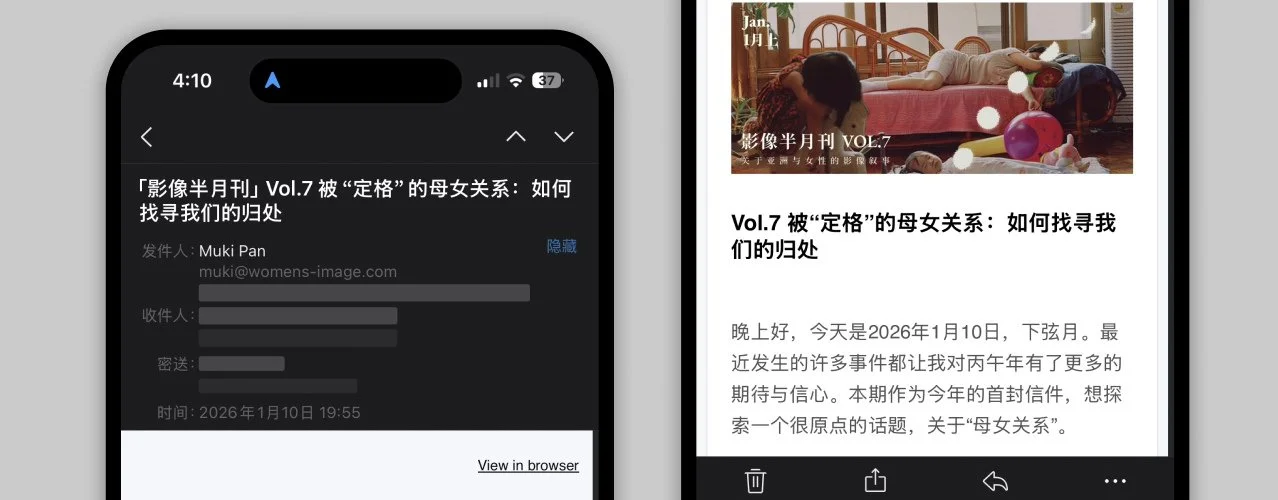
订阅邮件后,你将收到《Moon Letter 影像半月刊》的最新更新,以及 Women’s Image 影像平台的公开内容整理。
Vol.16
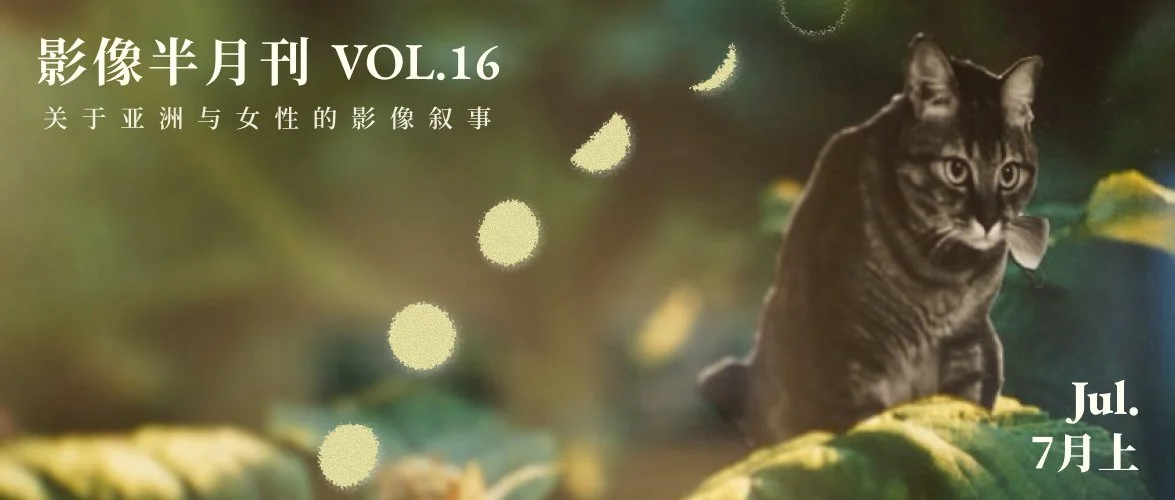
和田读的是艺术专业,所以对西洋画很有研究。长岛提及很喜欢马奈的作品时,和田变得格外热情,反复提到她对马奈的喜爱,并且还写过相关的研究论文。马奈画中的女性不像很多被描绘的女性——常常被描绘为裸体的、非正面的这种“方便男性观看”的姿态。马奈画中的女性,是能让人感受到力量的女性的形象。
Vol.15
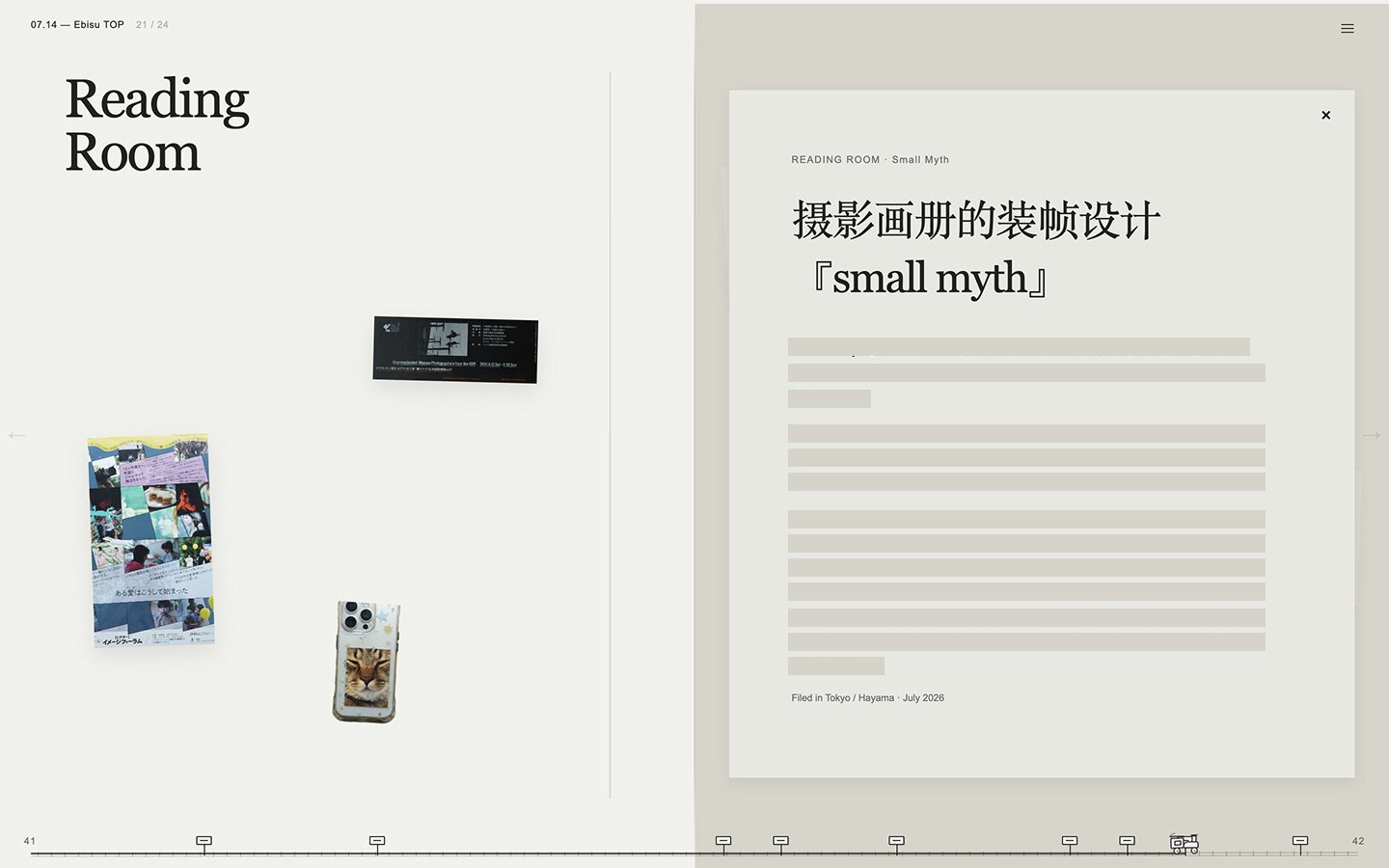
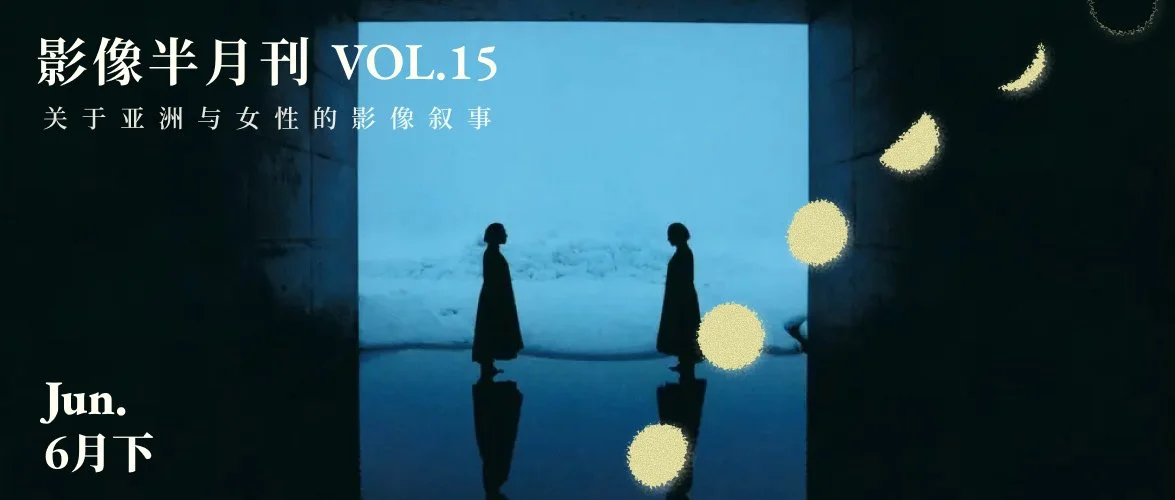
我立刻意识到,这是一系列长达20年的,没有中断的数据集,我开始勾勒出一些模糊的问题:在这20多年时间中,女性摄影师的能见度、关注度、话语在这个东京的权威艺术机构的视角中,有着怎么样的变化?
Vol.14
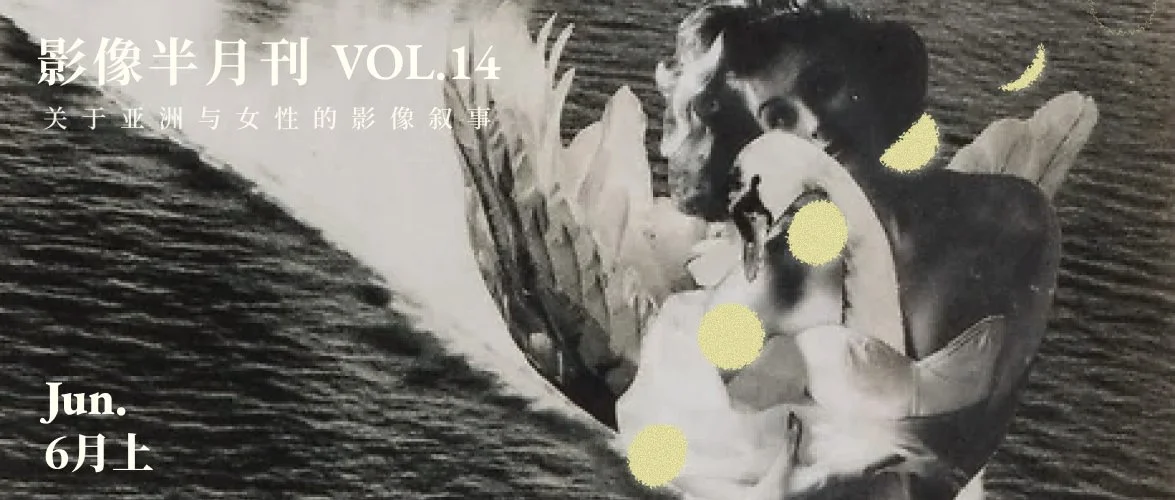
1928年,冈上淑子出生于日本高知县,3岁后随家人前往东京生活。在学生时代,受到空袭影响,辗转蒲田、涩谷、下北泽、冈山等地,尽管幸运地没有被直接波及,但屡屡目睹这些地方因燃烧弹被烧毁,一夜之间成为废墟。冈上淑子的作品和创作生涯,与她所处的时代紧密相连。
Vol.13
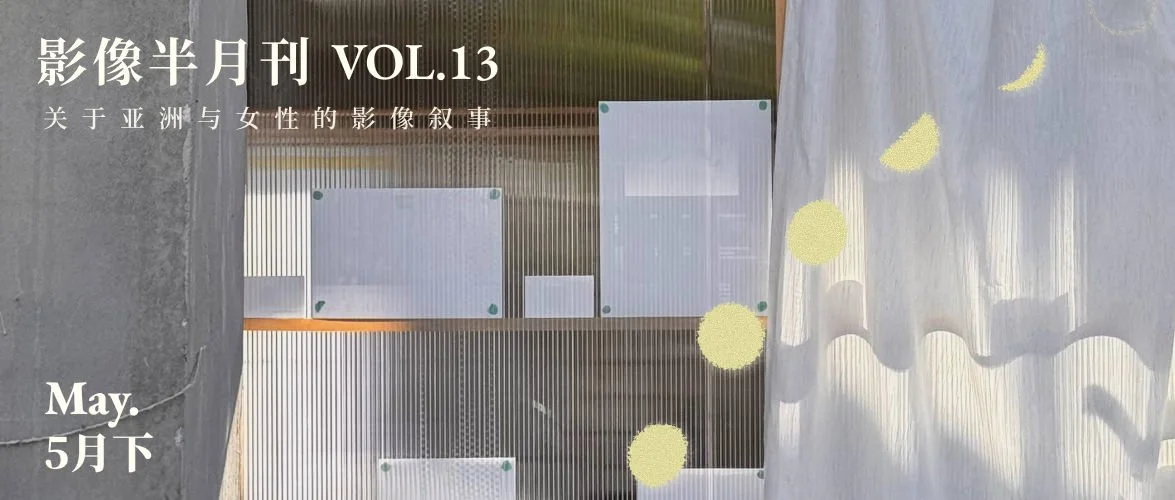
一个公共的女性创作阅读空间是我一直想尝试做的事情,开春集的现场成为了这个空间最初的实验场。3天的对话与阅读中,给我带来的感受比我所能预期的还要多得多。在过去,我一直是以自己的视角去阅读这些女性的创作。但当阅读在公共空间中发生时,每一位个体的生命经验让现场的图像与文本变得更加有血有肉。
Vol.12
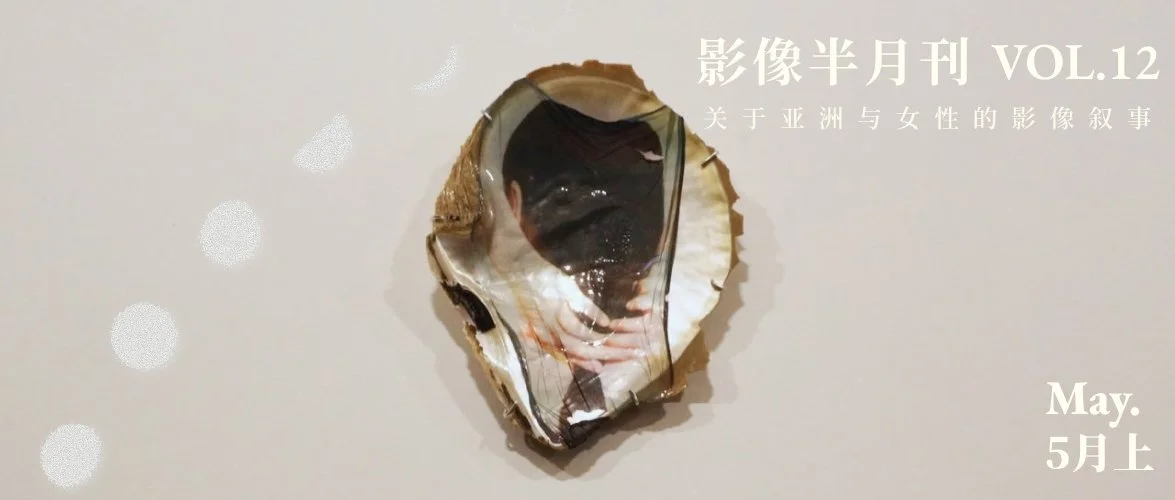
有些人会说,艺术是不区分性别的。然而,这其实是一种对我们心向往之的理想、崇高的“艺术”的一层滤镜,而非我们当下所面临的现实。在现实环境中,艺术市场长期由男性所主导,他们决定了谁能被看见,谁不能被看见。并非与性别无关。
Vol.11
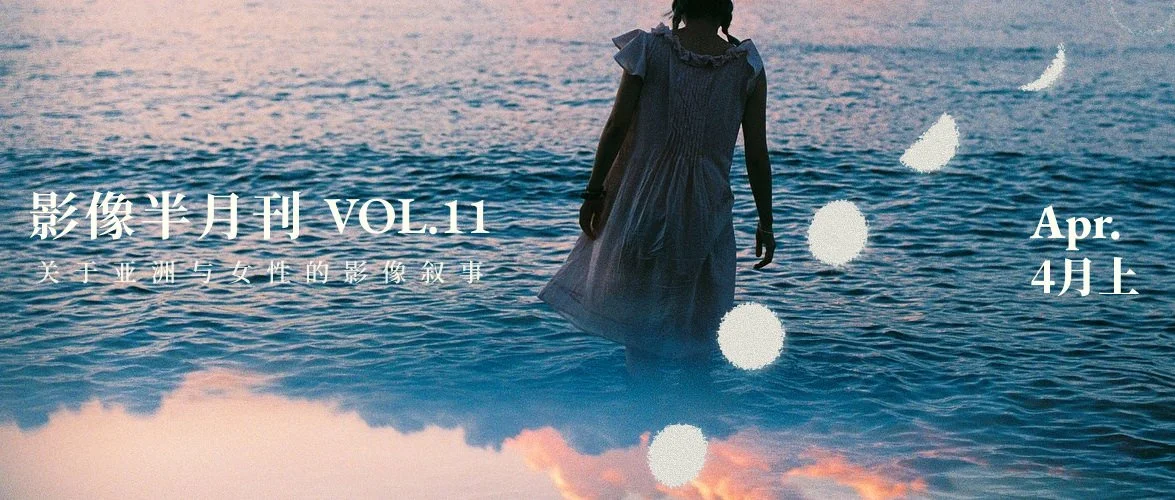
摄影师,是那些将“目光投向世界”的人。摄影能够向那些对与自身不同的人抱有盲目恐惧,并以偏见与歧视的目光看待他们的人,展示另一种观看世界的方式。我认为,濵本的获奖作品足以具备这种能力,是一件极为优秀的作品。(评委/长岛有里枝)
Vol.10
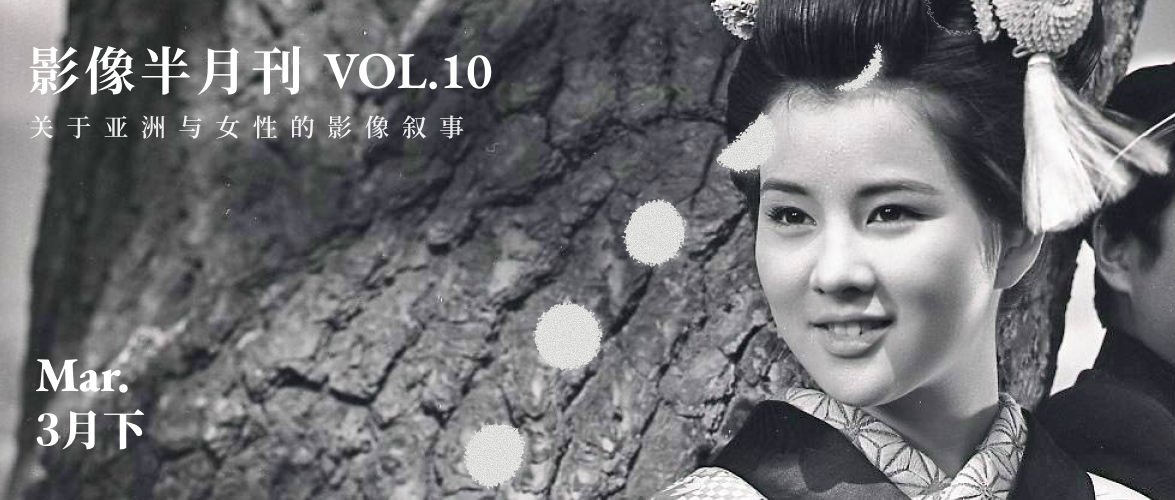
在《女神、娼妓、妻子与女奴——西方古典时代女性的社会生活》中,萨拉·波默罗伊已经为我们概括了西方社会中的四种女性原型女神、娼妓、妻子与女奴。这四种原型便是西方社会中女性角色的表象。与西方赤裸裸的、暴力的语言叙事方式不同,在东亚的绘画与文学作品中,隐藏着一个更加去现实化、用美学包装过的女性原型——舞女。
Vol.9
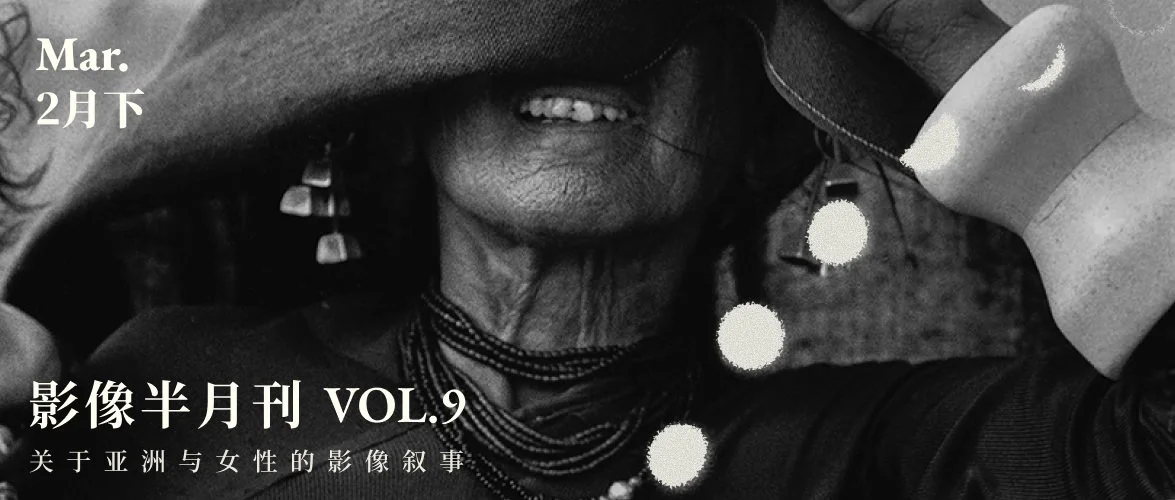
对于一位艺术家的个展,我会把它分成两种不同的类型——当下展和回顾展。
距离我们很近的当代艺术家,比如70、80,甚至是90后,通常能在艺术空间中看到的是她们当前人生阶段的作品呈现。这些作品离我们很近,浓缩了我们当下对生活、对社会、对外来的种种想象和思考。
然而,回顾展对我有着更强的吸引力。我们不仅能从中看到一位女性的人生脉络——她是如何走进艺术、创作的方式随着人生的迈进又有怎么样的变化,还能够看见过去我所不熟悉的生活和处境。这些对世界的新认知,同时也补全了我的「当下」。
Vol.8
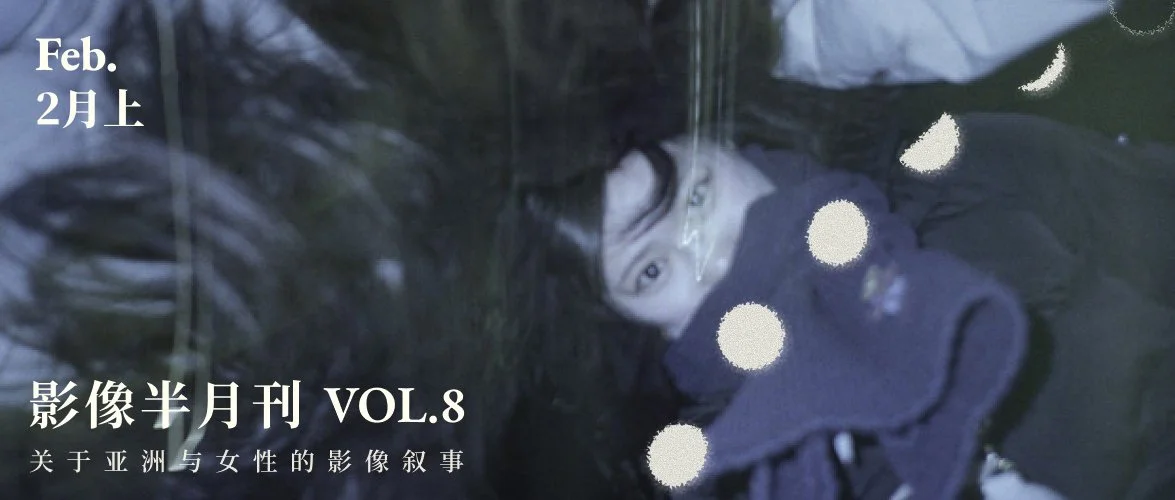
这段话的“精妙之处”在于,它直白地袒露着对女性的物化,在这个基础上,还制定了物品价值判断的规则——是否适龄。这种物化的背后,隐藏的是以男性为话语中心的社会对女性作为“生育工具”的期待。
为什么是年龄?因为女性年龄,在很大程度上决定了“传统/主流的婚姻制度”是否能够成立。
The disturbing precision of this statement lies in its blunt objectification of women. On that foundation, it goes further — establishing a system of value based on whether a woman is “age-appropriate.” Behind this logic is a society structured around male authority, where women are positioned as reproductive instruments.
Why age? Because a woman’s age, to a large extent, determines whether a “traditional” or “mainstream” marriage system can function at all.
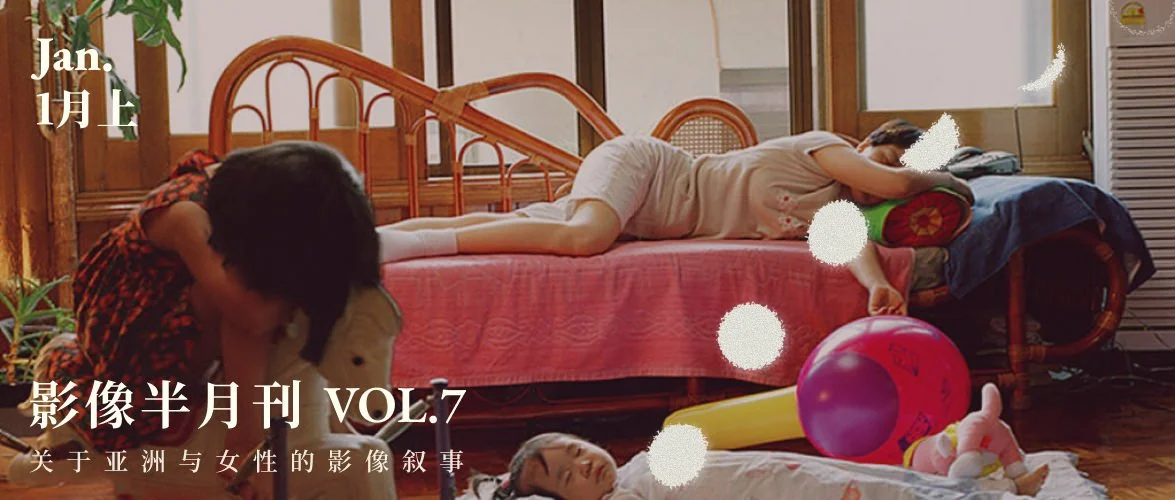
在女性摄影师的创作历程中,有一个特别值得留意的现象是,她们创作内容常常随“身份”的转变而有所转变。
川内伦子2020年出版的摄影集『as it is』收录了她生产后的三年间拍摄的影像,其内容多为日常家庭生活的记录。在此之前,2017年的『Halo』所呈现的是一种更宏大的宇宙叙事。川内拍摄的题材从自然宇宙回归到家庭并不是一种选择,而是因为她已经坐上了驶往“家庭”的这辆列车。随着这辆列车的出发,川内伦子的“身份”从一位女性变成了一名母亲。
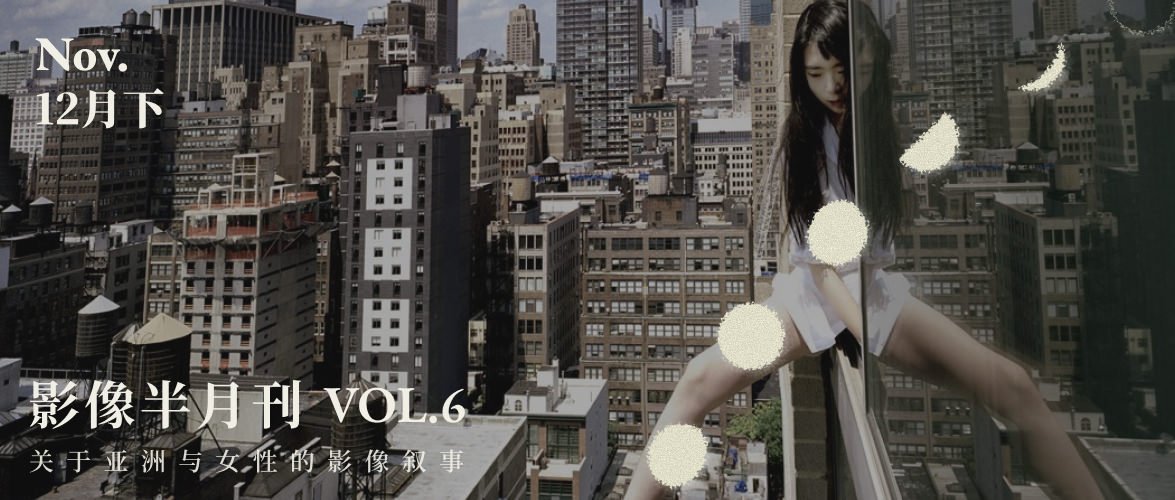
Lee Phil 在《韩国社会与女性摄影师》的序言中分析了女性摄影师没有收到足够关注的两个原因:一、对女性的偏见。韩国社会认为摄影具有的技术性和当代美学是独属于男性的,女性在摄影上生来就劣于男性。二、对摄影的偏见。在韩国,摄影界和艺术界是两个完全不同的概念,认为摄影称不上艺术。这个观点启发了我对于摄影在中国发展迟缓的思考。相比日本有大量以摄影为最主要媒介的艺术家,在中国和韩国,使用多种媒介、跨媒介的艺术家占据了主流。这必然与艺术界的评价体系是高度相关的。
与日本、中国、西方的摄影同样,在韩国女性的摄影中,身体是一个很常见的题材,这并不是偶然,而是一种对女性与摄影共同处于被贬低位置的双重反击。
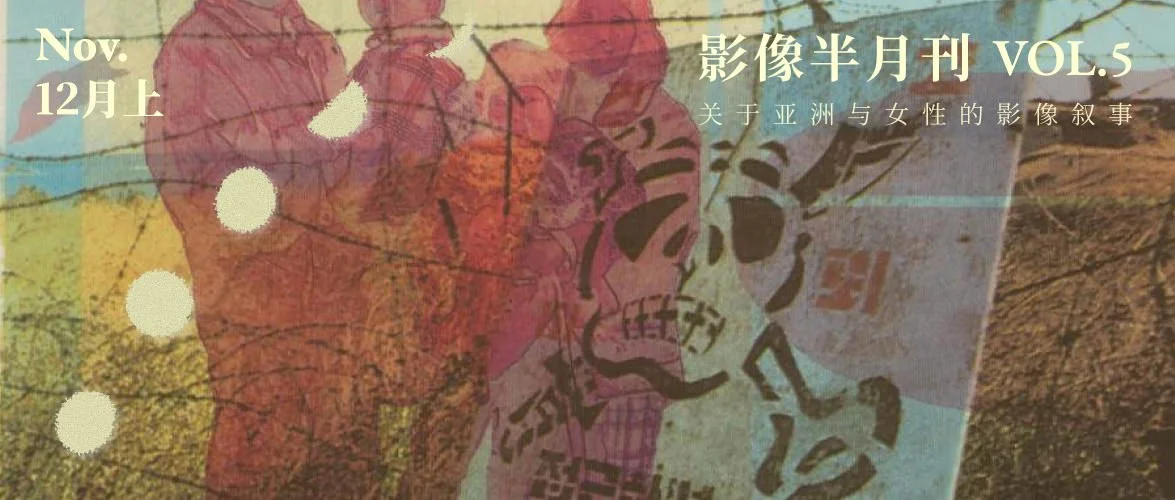
我们今天对“图像”和“观看”的理解,其实来自很久以前图像第一次变得“大众化”的时刻。“大众化”让更多人获得了观看图像的权力。比如日本的浮世绘,就是当时的“流行文化”“视觉媒体”。 而在这之中,女性的角色——被看见、主动行动、被描绘、被误解——有着各种各样的演绎。《影像半月刊》一直在回应一个问题:图像如何流动?女性如何在图像中被呈现?
Vol.2
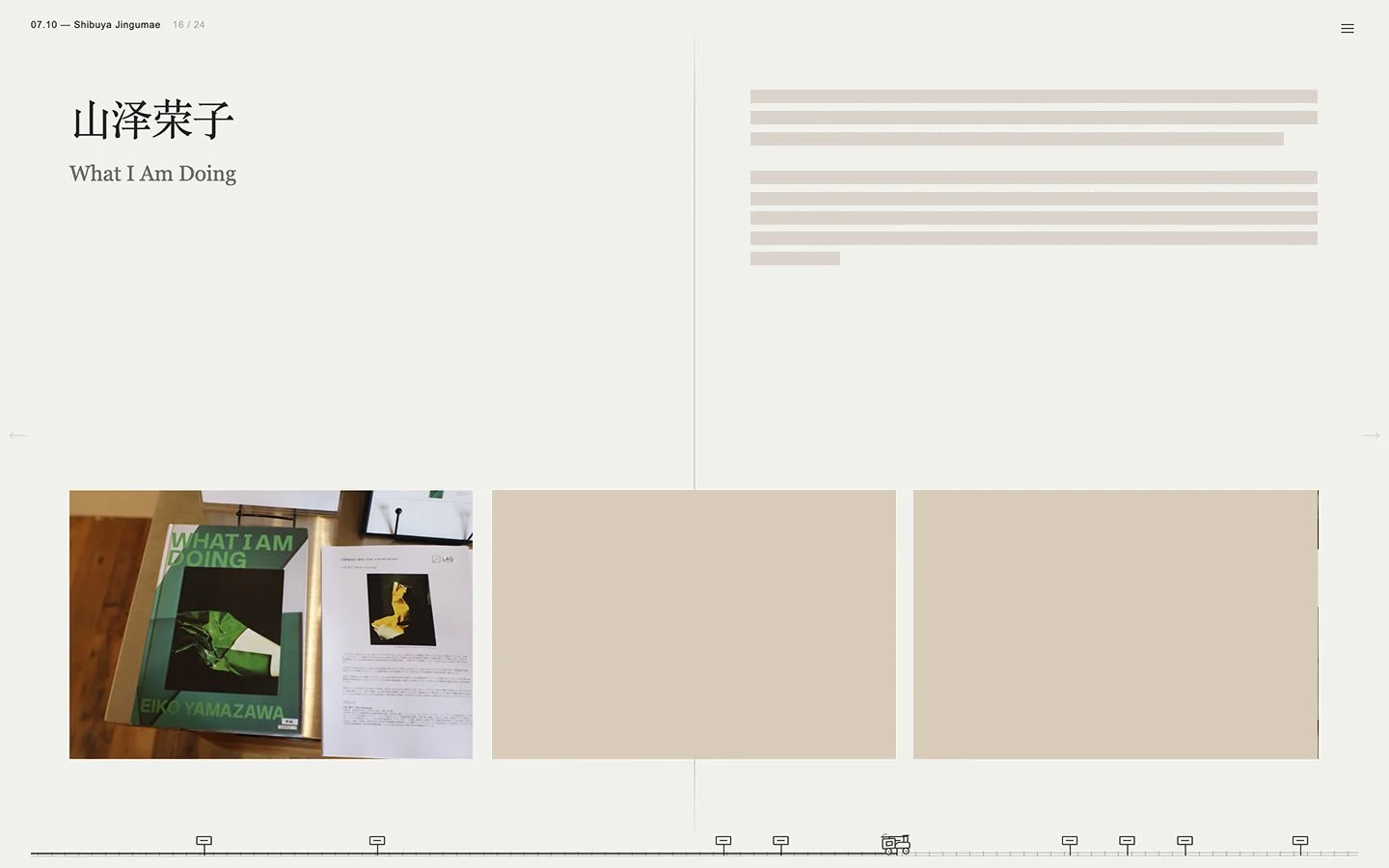
在这次的展览中,没有用时间顺序来追溯日本女性摄影史的发展历程,而是将她们的作品归类为「自我」「性别」「女性能量」「日常生活的魔法」这几个主题,介绍其中的代表性作品。
展出的书籍包括—— 石川真生『赤花 アカバナー 沖縄の女』、岡上淑子『Drop of Dreams: Works 1950‒1956』、川内倫子『Illuminance』『Sheets』、片山真理『Gift』、志賀理江子『螺旋海岸|album』 『螺旋海岸|notebook』、潮田登久子『マイハズバンド』…
Rather than tracing the history of Japanese women’s photography in chronological order, the exhibition approached their practices thematically. The works were organized under the categories of Self, Gender, Female Energy, and The Magic of Everyday Life, presenting key artists through these lenses.
The featured publications included: Ishikawa Mao, Akabana: Women of Okinawa, Okazoe Toshiko, Drop of Dreams: Works 1950–1956, Rinko Kawauchi, Illuminance and Sheets, Mari Katayama, Gift, Lieko Shiga, Spiral Coast | album and Spiral Coast | notebook, Tokuko Ushioda, My Husband
Special
Vol.1
去年,首尔召开了一个大型的女性艺术展——「连接的身体:亚洲女性美术家们」(Connecting Bodies: Asian Women Artists / 접속하는 몸: 아시아 여성 미술가들)。来自10多个亚洲国家,一共有60多位女性艺术家的作品参展。
这次的展会引起了我的好奇,已经形成自己独特文化的韩国女权,在女性艺术的实践和讨论方面,正处在一个怎样的阶段?韩国女性艺术家在本国的发展是否受限?女性摄影师主要围绕哪些话题开展实践?
Last year, Seoul hosted a major women’s art exhibition: Connecting Bodies: Asian Women Artists (접속하는 몸: 아시아 여성 미술가들). Featuring more than sixty women artists from over ten Asian countries, the exhibition marked a significant moment of collective presence.
This event sparked my curiosity. In a country where feminism has already developed its own distinct cultural language, what stage is Korean feminist art currently in? Are Korean women artists still facing structural limitations within their own country?What themes are women photographers engaging with in their practices today?


影像半月刊
Women’s Image Almanac
《影像半月刊|Women’s Image Almanac》专注亚洲与女性影像艺术实践。身为亚洲女性,我时常感受到这个以男性、以西方为中心的世界给我带来的巨大挑战——过去几年,当我走进美术馆、走进画廊时,很少看到女性的摄影作品。男性用他们看到的世界、他们掌握的权力,已经定义好了一切。
Women’s Image Almanac focuses on Asian and women’s photographic practices.As an Asian woman, I have long felt the weight of a world centered on men and the West. Over the past few years, whenever I walked into museums or galleries, I rarely encountered photographs made by women. Men, through what they see and the power they hold, have already defined the frame.
当我们谈论女性主义、女权运动时,也常常借用西方女性的视角。但我想,是时候由我们自己来定义自己了。亚洲或许不是一块对艺术创作来说最肥沃的土壤,但亚洲女人用她们坚韧、锋利、暴烈、富有人情的双眼看到的世界,值得被所有人看见。
Even when we speak about feminism and women’s movements, we often borrow Western narratives. But it is time for us to define ourselves — in our own language, through our own images. Asia may not be considered the most fertile ground for artistic creation. Yet the world seen through the resilient, sharp, fierce, and deeply human eyes of Asian women deserves to be seen by everyone.
你好,我是Muki。这是一份与月亮同频的影像档案。每逢上弦月与下弦月,我都会寄出一封 Moon Letter,记录影像的流动与女性的观看。
Hello, I’m Muki. This is an image archive attuned to the moon. On every waxing and waning half-moon, I send out a Moon Letter — tracing the movement of images and the ways women look.
——Muki Pan (Founder of Women’s Image)
订阅邮件后,你将收到《Moon Letter 影像半月刊》的最新更新,以及 Women’s Image 影像平台的公开内容整理。